Essential Vaccinations Every Kitten Needs in the First Year
When bringing a new kitten into the home, one of the first considerations for responsible pet ownership involves preventive healthcare. Vaccinations play a central role in protecting kittens from several serious and potentially life-threatening diseases. While the specific plan for each kitten may vary depending on lifestyle, environment, and geographic location, a general framework exists to guide owners and veterinarians through the first year. Understanding what vaccines are typically recommended, why they matter, and how they are spaced can help owners make informed decisions in partnership with their veterinary team.
Kittens are born with some immunity passed from the mother through colostrum, but this protection wanes over the first few weeks of life. As maternal antibodies decrease, kittens become vulnerable to infectious agents. Vaccination schedules are designed to bridge this gap, stimulating the kitten's own immune system to develop protection. The goal is to provide coverage during the period of highest risk while accounting for individual factors that might influence immune response. This article outlines the core vaccines commonly discussed for kittens in the United States, along with the timing and rationale behind booster schedules.
Understanding Core Vaccines for Kittens
Veterinary organizations such as the American Association of Feline Practitioners (AAFP) categorize vaccines into core and non-core groups. Core vaccines are those considered essential for all kittens due to the widespread nature or severity of the diseases they prevent. For kittens in the United States, the core vaccines typically include protection against feline panleukopenia, feline herpesvirus type 1, feline calicivirus, and rabies. The combination vaccine known as FVRCP covers the first three: feline viral rhinotracheitis (herpesvirus), calicivirus, and panleukopenia.
Feline panleukopenia is a highly contagious and often fatal viral disease that affects rapidly dividing cells, particularly in the intestinal tract and bone marrow. Feline herpesvirus and calicivirus are major causes of upper respiratory infections, which can be severe in young kittens. Rabies is a zoonotic disease that is almost always fatal once symptoms appear, and vaccination is required by law in many regions. These four diseases form the foundation of a kitten's early immunization program. Other vaccines, such as feline leukemia virus (FeLV), are considered core for kittens under one year of age by some guidelines because kittens are more susceptible to FeLV infection, though the classification can depend on lifestyle risk assessment.
FVRCP Vaccine: Components and Timing
The FVRCP vaccine is a combination injection that protects against three distinct viruses. The 'F' stands for feline viral rhinotracheitis, caused by feline herpesvirus type 1, which can lead to chronic respiratory issues and eye problems. The 'R' represents calicivirus, a pathogen responsible for oral ulcers and respiratory disease. The 'C' covers panleukopenia, sometimes referred to as feline distemper. This combination is typically given as a series of doses because maternal antibodies can interfere with the vaccine's ability to stimulate immunity.
The first dose of FVRCP is often administered around six to eight weeks of age, with additional boosters given every three to four weeks until the kitten reaches about sixteen weeks old. This schedule allows the vaccine to take effect after maternal antibodies have declined enough for the immune system to mount a response. Some kittens may receive a final booster at sixteen to twenty weeks. After the initial series, a booster is given one year later. The exact timing can vary based on the specific vaccine product and the veterinarian's assessment of the kitten's health status and exposure risk.
Feline Leukemia Virus (FeLV) Vaccination
Feline leukemia virus is a retrovirus that can suppress the immune system and lead to various cancers and secondary infections. Kittens are more susceptible to FeLV than adult cats, and the virus is transmitted through close contact, such as grooming, sharing food bowls, or bite wounds. For this reason, many veterinary guidelines recommend FeLV vaccination for all kittens up to one year of age, regardless of whether they will eventually be indoor-only or have outdoor access.
The FeLV vaccine is typically given as a series of two doses, spaced three to four weeks apart, starting no earlier than eight weeks of age. Some protocols begin at nine to ten weeks. After the initial series, a booster is given one year later. Thereafter, the need for annual or triennial boosters depends on the cat's lifestyle and risk factors. For cats that remain strictly indoors with no exposure to potentially infected cats, the vaccine may be considered less essential after the first year. However, the decision should be made with a veterinarian based on the individual kitten's circumstances.
Rabies Vaccination Requirements and Timing
Rabies vaccination is a legal requirement in most states and jurisdictions within the United States due to the public health risk. The rabies virus is transmitted through the bite of an infected animal and affects the central nervous system, leading to fatal encephalitis. Kittens may receive their first rabies vaccine as early as twelve weeks of age, though some states set a minimum age of sixteen weeks. The vaccine is given as a single dose, and a booster is administered one year later.
After the first-year booster, rabies vaccination schedules vary depending on local regulations and the type of vaccine used. Some vaccines are licensed for one-year administration, while others are approved for three-year intervals. The veterinarian can provide information on which product is used and what the local laws require. It is important to keep rabies vaccination records updated, as proof of vaccination may be needed for licensing, travel, or boarding facilities.
Recommended Vaccination Timeline Overview
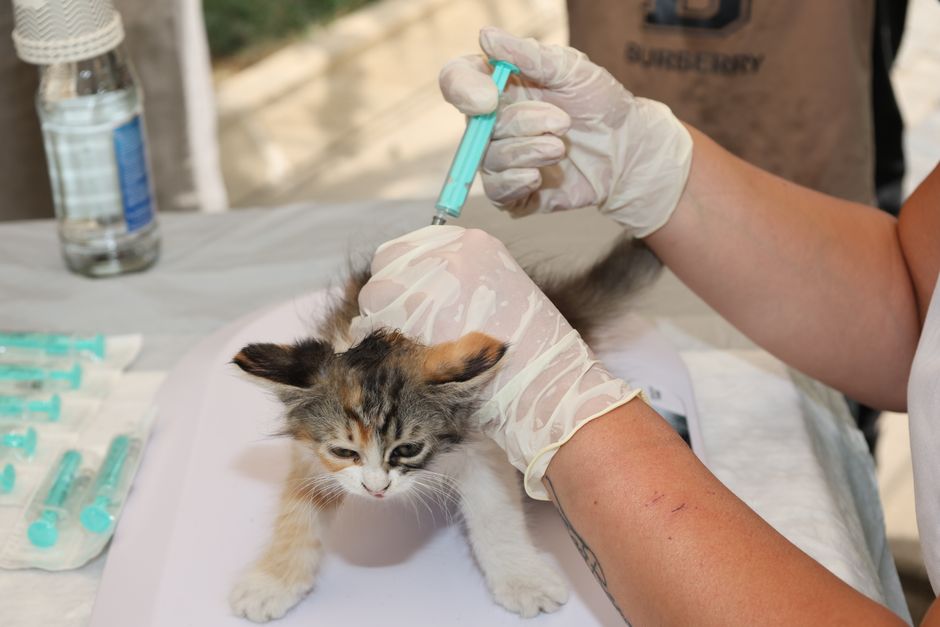
A typical kitten vaccination timeline in the United States follows a pattern that accounts for the waning of maternal antibodies and the development of the immune system. The first visit to the veterinarian generally occurs at six to eight weeks of age. At that time, the kitten may receive its first FVRCP vaccine and a general health exam. The second visit, around nine to eleven weeks, includes the second FVRCP dose and possibly the first FeLV vaccine. The third visit, at twelve to fourteen weeks, may include the third FVRCP dose and the first rabies vaccine, if the kitten is old enough. A final visit at fifteen to sixteen weeks may include the last FVRCP booster and the second FeLV dose.
It is worth noting that some veterinarians use a different schedule or may combine visits based on the kitten's health and previous vaccination history. The goal is to complete the initial FVRCP series by sixteen weeks of age and to ensure that both FeLV and rabies are covered within that timeframe. After the first year, all core vaccines are typically boosted, and the veterinarian will discuss a long-term schedule appropriate for the cat's lifestyle.
Booster Schedules and Factors That Influence Them
Booster doses are an integral part of maintaining immunity beyond the kitten series. After the initial year, many core vaccines are given at intervals of one to three years, depending on the vaccine type and the cat's risk profile. For example, the FVRCP vaccine is often recommended every three years after the first-year booster in low-risk adult cats, but some veterinarians may continue annual boosters if the cat has high exposure to other cats. Rabies boosters follow legal requirements, which can be annual or triennial. FeLV boosters may be given annually for cats with ongoing risk.
Several factors can influence the choice of schedule. The kitten's overall health, whether it is from a shelter or a breeder, the prevalence of disease in the local area, and the cat's expected lifestyle—indoor only versus outdoor access—all play a role. Additionally, certain medical conditions or medications might affect immune response, requiring adjustments to the vaccine plan. A veterinarian is the best source for personalized recommendations based on the most current research and guidelines.
It is also common for kittens to experience mild side effects after vaccination, such as temporary lethargy or slight soreness at the injection site. More serious reactions are rare, but owners are encouraged to observe their kitten and report any unusual signs to the veterinarian. The benefits of vaccination in preventing serious disease generally outweigh the small risk of adverse effects.
By working closely with a veterinarian and following a structured vaccination protocol, owners can provide their kitten with a strong foundation for long-term health. The first year sets the stage for immunity that will be maintained through regular boosters and wellness visits. Staying informed about the recommended vaccines and the rationale behind their timing helps ensure that each kitten receives the protection that aligns with its individual needs.