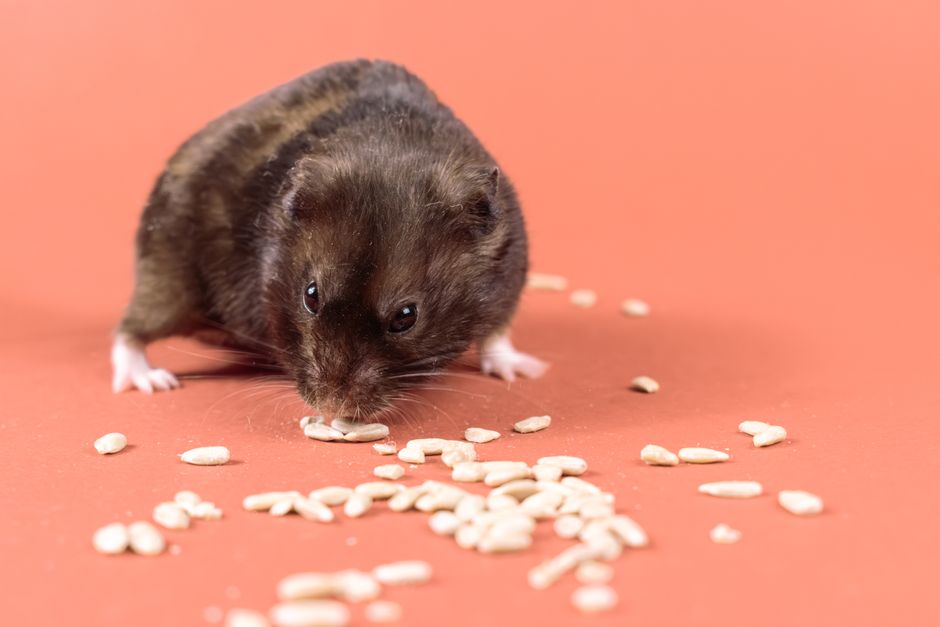
What to Feed a Hamster: A Complete Nutritional Guide
Providing a balanced diet is a key aspect of caring for a pet hamster. These small animals have specific nutritional requirements that support their energy levels, digestive health, and overall well-being. A diet that closely mimics what a hamster would encounter in the wild, combined with appropriate commercial foods, can help maintain their health over time. Understanding the components of a proper diet allows owners to make informed choices about what to offer their pet.
Hamsters are omnivores in the wild, consuming seeds, grains, insects, and occasional plant matter. This natural variety means that a captive diet should also include multiple food groups. The goal is not to replicate exact wild proportions, but to provide a range of nutrients that support bodily functions. A well-planned diet typically includes a high-quality commercial mix, fresh vegetables, a small amount of fruit, and occasional protein sources. Water must always be available, and treats should be given sparingly.
This guide explores the main categories of food that contribute to a hamster’s nutritional intake, as well as items that are best avoided. Each section focuses on practical considerations and general guidelines, recognizing that individual hamsters may have different preferences and tolerances.
Understanding a Hamster’s Nutritional Needs
Hamsters require a mix of macronutrients and micronutrients to stay healthy. Protein supports muscle maintenance and growth, while fats provide a concentrated source of energy. Carbohydrates from grains and vegetables supply readily usable fuel. Fiber is essential for proper digestion, as hamsters are prone to gastrointestinal issues if their diet lacks roughage. Vitamins and minerals, such as vitamin C, calcium, and phosphorus, play roles in immune function and bone health.
Different hamster species—such as Syrian, dwarf, and Roborovski—have slightly different metabolic rates and size-related needs, but the fundamental nutrient requirements are similar. A diet that is too high in fat or sugar can lead to obesity and dental problems, while insufficient protein may cause lethargy or poor coat condition. The balance of nutrients is more important than any single ingredient. Commercial hamster foods are formulated to meet these needs, but supplements like fresh vegetables can add variety and additional micronutrients.
Water is sometimes overlooked but is critical. Hamsters can become dehydrated quickly, especially if they consume dry pellets. Fresh, clean water from a bottle or bowl should be changed daily. Observing how a hamster interacts with its food and water can provide early clues about its health status.
Commercial Hamster Food: Pellets and Mixes
Commercial diets form the foundation of most hamsters’ meals. Two common types are pellet-based diets and seed-and-grain mixes. Each has advantages. Pellets offer a uniform nutrient profile in every bite, reducing the chance of selective eating—where a hamster picks out favorite seeds and leaves behind less palatable but nutritious components. Many owners find that a high-quality pellet combined with a small amount of a seed mix provides both nutrition and enrichment.
When selecting a commercial food, it is helpful to look for products that list whole grains, vegetables, and a named protein source among the first ingredients. Artificial colors and added sugars are not necessary and may encourage overconsumption. Brands such as those found at Cozy Paws often emphasize natural ingredients and avoid fillers. The exact amount to offer depends on the hamster’s size, age, and activity level, but a general guideline is about one to two tablespoons of food per day for an adult Syrian hamster, with lesser amounts for dwarf species.
Feeding from a heavy ceramic bowl can prevent tipping and mess. Uneaten fresh foods should be removed after a few hours to avoid spoilage. Dry food can remain in the bowl for longer, but it is wise to monitor whether the hamster is actually eating it or just storing it. Hamsters are natural hoarders and may stash food in their bedding, so occasional checks of the cage can reveal if food is being consumed or ignored.
Fresh Vegetables and Fruits in a Hamster’s Diet
Fresh produce provides moisture, fiber, and vitamins that dry foods lack. Suitable vegetables include dark leafy greens such as romaine lettuce, kale, and Swiss chard, as well as broccoli, cucumber, bell pepper, and zucchini. These should be washed thoroughly to remove pesticides and cut into small, manageable pieces. A portion about the size of a thumbnail is sufficient for a dwarf hamster, and slightly larger for a Syrian.
Fruits can be offered occasionally as treats due to their natural sugar content. Small amounts of apple (without seeds), pear, banana, or berries work well. Stone fruit pits and apple seeds contain compounds that are not safe for hamsters, so these must be removed before serving. Too much fruit may cause digestive upset or contribute to weight gain. A good practice is to introduce one new vegetable or fruit at a time, waiting a few days to see how the hamster tolerates it before adding others.
Some vegetables, such as potatoes and onions, are not appropriate and are discussed in the foods to avoid section. Fresh produce should be offered a few times per week, not every day, to maintain variety without overwhelming the digestive system. Any uneaten fresh food should be removed within a few hours to prevent fermentation or mold growth in the cage.
Protein Sources for Hamsters
Hamsters benefit from occasional animal-based protein, which supports coat quality and overall vitality. In the wild they consume insects, and a similar approach can be taken in captivity. Small amounts of cooked, unseasoned chicken, egg (hard-boiled or scrambled without oil), or plain tofu can be offered. Freeze-dried mealworms or crickets are also suitable and often accepted enthusiastically.
The frequency of protein supplementation depends on the hamster’s age and reproductive status. Growing hamsters, pregnant or nursing females, and elderly individuals may benefit from protein two to three times per week. For healthy adult hamsters, once a week is often adequate. Overfeeding protein can stress the kidneys, so moderation is important. A tiny piece of cooked egg or one or two mealworms is enough for a single serving.
It is worth noting that some commercial foods already contain insect meal or other protein sources. Checking the ingredient list of the main diet helps avoid over-supplementation. Observing the hamster’s body condition—its weight and muscle tone—can guide adjustments. A hamster that becomes very plump or loses appetite may need dietary evaluation.
Foods to Avoid for Hamsters
Certain foods are known to cause health issues in hamsters and should never be offered. Citrus fruits (oranges, lemons, limes) are highly acidic and can irritate the digestive tract. Onions and garlic contain compounds that are toxic to many small animals. Raw potatoes and green potato peels contain solanine, a substance that may cause digestive distress. Rhubarb leaves are also toxic due to oxalic acid.
High-sugar or high-fat human treats such as candy, chocolate, salted snacks, and baked goods have no nutritional benefit and can lead to obesity, diabetes (especially in dwarf hamsters), or dental problems. Seeds from apples, cherries, peaches, and plums contain amygdalin, which can release cyanide when metabolized. Any seeds or pits should be removed before offering fruit. Additionally, avocado should be avoided because its high fat content can cause pancreatitis.
Spicy or heavily seasoned foods can irritate a hamster’s sensitive stomach. Plain, unseasoned vegetables and proteins are always safer. If there is any uncertainty about a particular food item, consulting a veterinarian with knowledge of small mammals is a prudent step. A cautious approach helps reduce the risk of accidental harm.
Establishing a Feeding Routine
Consistency in feeding times helps a hamster feel secure and allows owners to monitor appetite changes. Most hamsters are nocturnal, so offering fresh food in the evening when they become active aligns with their natural behavior. A daily routine that includes checking water, removing uneaten fresh items, and topping up dry food as needed creates a predictable environment.
Observing how much a hamster eats and stores provides useful information. A sudden decrease in food intake can indicate dental issues, illness, or stress. Similarly, rapid weight loss or gain may signal a need for dietary adjustments. Keeping a simple log of what is offered and how the hamster responds can be helpful over time.
Environmental factors such as temperature and humidity can influence appetite. During very hot or cold periods, a hamster may eat less or more. Providing a quiet, stable cage location away from drafts and direct sunlight supports normal feeding behavior. As with any aspect of care, each hamster is an individual, and flexibility in feeding practices based on observation is recommended.