Understanding Your Dog’s Body Language and Signals
Dogs communicate primarily through body language, using a combination of postures, facial expressions, vocalizations, and movement. For those who share their homes with a canine companion, learning to interpret these signals can open a window into the dog’s emotional state and intentions. Misreading a dog’s signals can lead to misunderstandings or even conflict, while accurate interpretation supports a more harmonious relationship. Understanding these cues is not about assigning human emotions to animal behavior, but about recognizing the natural communication system that dogs have developed through evolution and domestication.
Observing a dog in various situations provides context that is essential for accurate interpretation. A single signal, such as a wagging tail, can carry multiple meanings depending on the overall posture, the environment, and the individual dog’s history. This article explores some of the most common canine body language signals, explaining how they are typically used and how they can be understood in their proper context. The goal is to offer a framework for observation that respects the complexity of canine communication without oversimplifying or jumping to conclusions.
By paying attention to the subtleties of tail carriage, ear positions, vocal patterns, and overall body posture, it becomes possible to notice when a dog is feeling relaxed, anxious, excited, or uncertain. This awareness does not guarantee a perfect bond, but it can help create an environment where both dog and human feel more understood. The following sections describe several key areas of canine body language, each with its own nuances and contextual considerations.
Tail Wagging: More Than Just Happiness
A wagging tail is often assumed to indicate a happy or friendly dog, but this interpretation is only partially accurate. The speed, height, and direction of the wag, as well as the rest of the dog’s body, provide a fuller picture. A high, stiff tail that wags rapidly may indicate arousal or excitement that could be positive or negative depending on the situation. Conversely, a low, slow wag often suggests uncertainty or a lack of confidence. A tail tucked between the legs typically signals fear or submission.
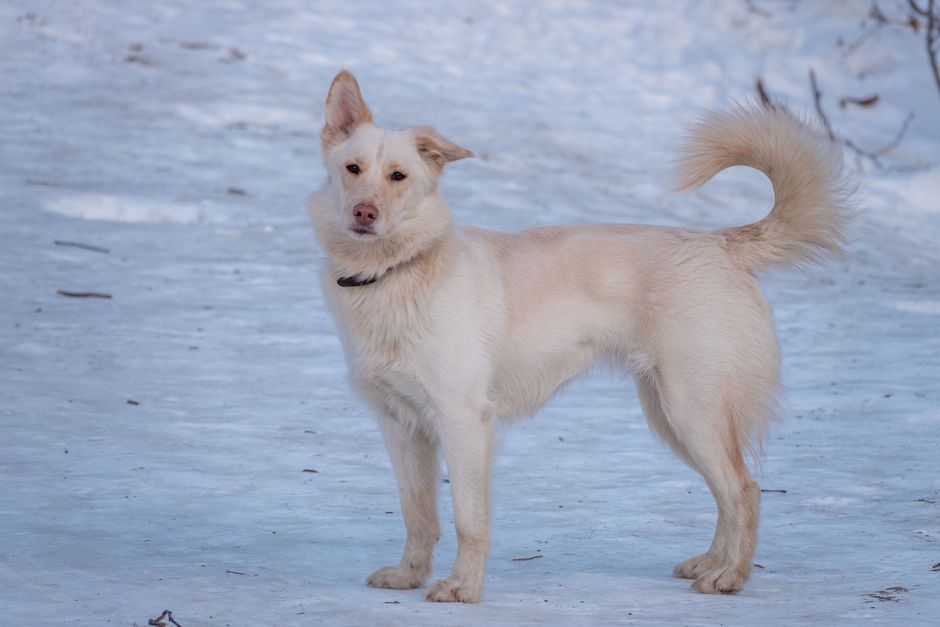
Research has shown that dogs may wag their tails asymmetrically when encountering different stimuli. For example, a tail wagging more to the right side of the body has been associated with positive emotions, while a left-side bias may indicate negative emotions or caution. However, these distinctions are subtle and require careful observation over time. It is also important to consider the breed: some dogs have naturally curled tails that are carried high, while others have naturally low-set tails. Knowing the individual dog’s neutral tail position helps in recognizing deviations.
When interpreting tail wagging, it is useful to observe the entire body. A wagging tail combined with relaxed ears, a soft mouth, and a loose body posture is a more reliable indicator of friendliness. In contrast, a wagging tail paired with a stiff body, forward-leaning posture, or direct staring may indicate a state of high arousal that could escalate. Context matters greatly: a wagging tail during play is different from a wagging tail when a stranger approaches. Taking all these factors into account reduces the chance of misinterpretation.
Tail wagging is a communication tool, not an emotion meter. Its meaning is shaped by speed, height, direction, and the dog’s overall demeanor.
Ear Positions and Facial Expressions
Dogs’ ears are highly expressive, and their positions can convey a range of emotional states. Ears that are forward and perked often indicate interest or alertness, especially when combined with a focused gaze and a slightly open mouth. Ears that are flattened back against the head may signal fear, submission, or anxiety. However, ear position must be interpreted relative to the dog’s natural ear shape. For dogs with floppy ears, the base of the ear and the direction of the fold can still provide clues, though they may be less obvious.
Facial expressions are another important channel. A relaxed dog typically has a soft, slightly open mouth with the tongue visible, and the eyes appear soft with no visible whites. When a dog is stressed or uncomfortable, the eyes may appear rounder, with more of the white showing, often called whale eye. The mouth may be tightly closed or pulled back in a grimace. Yawning, lip licking, and panting (when not due to heat or exertion) can also be signs of stress or appeasement.
It is essential to view facial cues in combination with other signals. A dog that is showing a submissive grin (a slight retraction of the lips that can resemble a human smile) might be mistaken for aggression by someone unfamiliar with the expression. Similarly, a direct stare can be a challenge or a sign of focus, depending on the context. Blinking or looking away often indicates a desire to de-escalate. Observing the entire face and head alongside body posture provides a more reliable interpretation.
Vocalizations: Barking, Growling, and Whining
Barking is one of the most common vocalizations, yet its meaning varies widely. A single, sharp bark may be an alert or a request for attention. A rapid series of barks often accompanies excitement or frustration, while a continuous, low-pitched bark may indicate agitation or a perceived threat. The pitch, frequency, and duration of barking, along with the dog’s body language, help distinguish between playful barks, alarm barks, and barks that signal boredom.
Growling is frequently misunderstood as a sign of aggression, but it can also occur during play or when a dog is feeling threatened. A low, rumbling growl combined with a stiff body and fixed gaze may be a warning to back away. In contrast, a higher-pitched growl accompanied by a play bow and loose body movements is often part of play. Growling is a valuable communication signal because it gives information about the dog’s emotional state before a situation escalates. For this reason, punishing a dog for growling may suppress an important warning, potentially leading to a bite without prior notice.
Whining can indicate excitement, anxiety, or a desire for something. Dogs may whine when greeting someone, when anticipating a walk, or when they are uncertain about a new situation. The context and the dog’s other signals help narrow down the meaning. Yelping is a sharp, high-pitched sound usually indicating sudden pain or surprise. Each vocalization type carries its own spectrum of meanings, and consistent observation over time reveals patterns that help in understanding what a particular dog is trying to communicate.
Body Posture and Calming Signals
Overall body posture provides a wealth of information. A relaxed dog holds its body in a neutral, loose stance, with weight evenly distributed. A tense dog may lean forward, with muscles stiff and weight shifted onto the front legs, often indicating focus or readiness to react. A dog that cowers, lowers its body, or rolls onto its back is typically expressing submission or fear. However, a dog that rolls over may also be inviting a belly rub, so again context is key.
Calming signals are a set of behaviors that dogs use to diffuse tension and communicate peaceful intentions. These signals were extensively described by ethologist Turid Rugaas and include lip licking, yawning, turning the head away, sniffing the ground, blinking, and performing slow movements. Dogs may use calming signals when they feel stressed, when they encounter an unfamiliar dog or person, or when they want to avoid conflict. Recognizing these signals allows a human to adjust their own behavior, such as giving more space or moving more slowly, which can help the dog feel safer.
Other posture cues include the position of the tail, hackles (the hair along the back), and the angle of the head. Raised hackles are often associated with arousal, which can be due to excitement, fear, or aggression. A stiff, upright tail combined with raised hackles and a fixed stare may indicate a dog that is ready to act. A lowered head and averted gaze typically suggest a desire to avoid confrontation. By observing these details and noting how they change in different situations, one can build a more nuanced understanding of a dog’s internal state.
Context and Consistency in Interpretation
No single signal should be interpreted in isolation. A dog’s body language is a dynamic system where each cue modifies the meaning of others. For example, a wagging tail combined with a play bow clearly indicates playful intent, while the same wagging tail with a stiff body and pinned ears likely signals anxiety or a defensive posture. The environment also plays a role: a dog at home may show different signals than when at the veterinary clinic or in a crowded park.
Consistency in observation over time helps establish a baseline for each individual dog. What is normal for one dog may be unusual for another. Factors such as age, breed, past experiences, and health status all influence how a dog communicates. A fearful dog may use more calming signals, while a confident dog may show fewer. Recognizing these individual differences is essential for accurate interpretation.
Understanding canine body language is a gradual process that benefits from patience and willingness to learn. It does not provide a formula for perfect communication, but it does offer a practical way to reduce misunderstandings and respond more appropriately to a dog’s needs. When people take the time to observe and learn, the relationship with their dog often becomes more collaborative and less stressful for both sides. Resources from organizations like Cozy Paws can offer further insights into creating a supportive environment for canine companions.