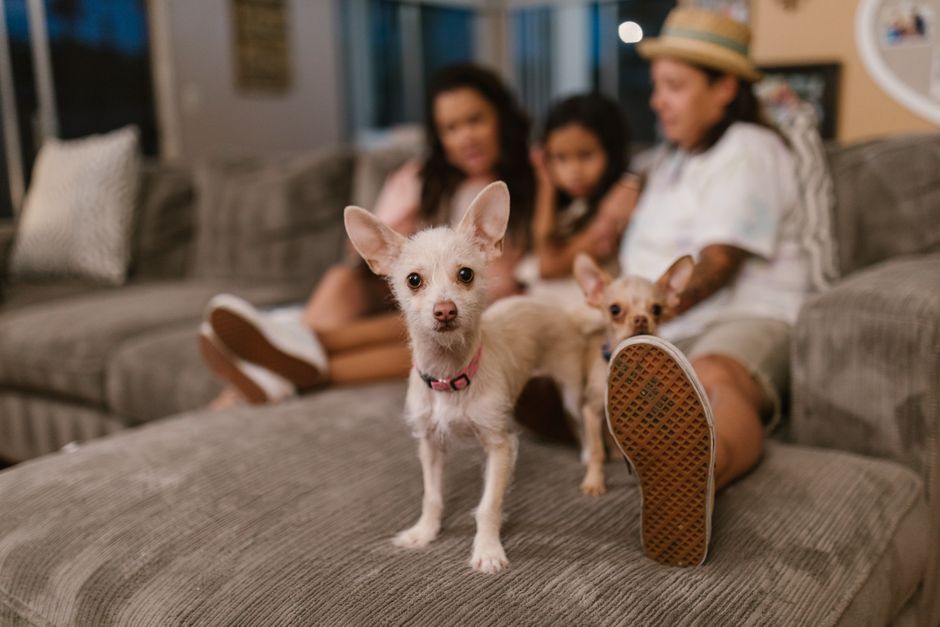
Puppy biting is a common behavior that many new pet owners encounter during the early stages of a dog’s development. This natural tendency stems from exploration, teething discomfort, and playfulness. For those raising a young dog, understanding how to guide this behavior without creating fear or confusion is an important part of building a trusting relationship. Various techniques exist to help redirect biting into more acceptable activities, each grounded in consistent communication and a calm environment.
The following sections outline a range of methods based on redirection, structured breaks, and positive reinforcement. These approaches are designed to be integrated into daily interactions and require patience and repetition. No single technique guarantees a specific outcome, as each puppy responds differently depending on temperament, age, and previous experiences. However, by combining several strategies, many caregivers find that biting diminishes over time while the bond between human and dog remains strong.
Understanding Why Puppies Bite
Before applying any technique, it is helpful to consider the reasons behind a puppy’s biting. During the first few months of life, puppies explore the world primarily with their mouths. This oral exploration is similar to how human infants use their hands. Additionally, the process of teething can cause gum soreness, prompting puppies to chew on objects or people to relieve discomfort. Biting is also a natural part of play among littermates, where they learn bite inhibition through feedback from other puppies.
Recognizing these underlying factors allows caregivers to respond with empathy rather than frustration. It is not a sign of aggression or disobedience, but rather a developmental stage. The goal is not to suppress the behavior entirely, but to channel it toward appropriate items and teach boundaries in a way that does not frighten the puppy. Context matters: a puppy that bites during play may need a different strategy than one that bites when overstimulated or tired. Observing patterns can help tailor the approach.
Using Chew Toys for Redirection
One widely recommended method involves offering an acceptable alternative whenever the puppy attempts to bite hands, feet, or clothing. Chew toys, particularly those designed for teething puppies, provide a safe outlet for the need to gnaw. The key is to have these toys readily available in areas where the puppy spends time. When the puppy mouths or bites an inappropriate target, a calm redirection to a nearby chew toy can be attempted.
It is important to choose toys that are appropriately sized and durable for the puppy’s age and breed. Rubber toys, soft fabric chews, or chilled teething rings may be more appealing when gums are sore. Offering a toy while engaging in interactive play can also help associate biting with objects rather than skin. Consistency plays a role here: every time the puppy’s mouth touches hands or feet, a toy is presented calmly. Over several weeks, the puppy may begin to seek out the toy on its own when feeling the urge to bite. This method does not eliminate the behavior overnight, but it establishes a pattern that many puppies gradually adopt.
Implementing Time-Outs for Calming
When redirection does not reduce biting intensity, a time-out procedure can serve as a neutral consequence. This technique involves temporarily removing the puppy from the stimulating environment or from social interaction. The purpose is not to punish, but to allow the puppy a moment to settle and to disconnect the act of biting from continued play or attention. A time-out might involve placing the puppy in a quiet, safe space such as a playpen or a separate room for a short period.
Timing and tone are essential. A time-out should be initiated immediately after a bite occurs, using a calm verbal cue such as “too bad” or “break time.” The duration is typically brief—no more than 30 seconds to one minute for young puppies—since their attention spans are short. After the time-out, the puppy can be released and given an opportunity to interact appropriately. If biting resumes, the process can be repeated. This technique works best when combined with praise for gentle play. It is not intended to create fear, but to teach that biting leads to a pause in rewarding activities. Over time, some puppies learn to moderate their mouth pressure to avoid the break in interaction.
Consistent Positive Reinforcement
Positive reinforcement focuses on rewarding behaviors that are desired, rather than punishing those that are not. In the context of biting, this means providing treats, praise, or continued play when the puppy chooses to lick, nuzzle, or play with a toy instead of biting. The reinforcement must be immediate to help the puppy associate the calm behavior with a pleasant outcome. Using a marker word like “yes” or a clicker can help pinpoint the exact moment of appropriate action.
Consistency across all family members and situations supports the learning process. If one person uses different cues or rewards, the puppy may become confused. Setting up practice sessions—such as brief handling exercises—can also be beneficial. For example, if a puppy tends to bite during petting, one can reward moments of calm mouth closure while gently stroking. Over many repetitions, the puppy may learn that keeping a soft mouth leads to better interactions. It is important to note that positive reinforcement is not a quick fix; results depend on repetition, timing, and the individual puppy’s receptiveness. However, it is a foundation upon which other techniques can build.
Additional Considerations for a Balanced Approach
Beyond the core techniques, several environmental and behavioral factors can influence progress. Providing adequate physical exercise and mental stimulation often reduces the frequency of biting, as a tired puppy is less likely to become overexcited. Puzzle toys, short training sessions, and supervised exploration can help channel energy in productive ways. Keeping a consistent daily routine for feeding, play, and rest also creates predictability, which can lower anxiety and overstimulation.
It is also worth noting that interactions with other puppies and adult dogs can contribute to learning bite inhibition, provided those interactions are supervised and positive. Dogs naturally communicate corrections to each other during play. However, relying solely on other dogs is not recommended, as human guidance remains important. If biting persists despite consistent application of these methods, consulting a professional trainer or a veterinarian may provide additional insights, especially if underlying health issues or behavioral patterns are suspected. Ultimately, the process of teaching a puppy not to bite is gradual and requires patience, but many caregivers find that with time and consistent effort, the behavior becomes much less frequent.